How to approach your year-end campaign
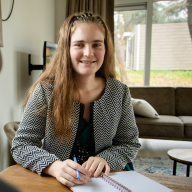
Laura Joe - de Bruine
December might seem far away, but for charities and foundations it's important to start preparing the year-end campaign in good time. Towards the end of the year, many organisations ask for attention, so it's important that your campaign is well thought out and stands out! People receive lots of newsletters, see ads and get various requests to give. That's why it helps not to wait until December to think about what you want to do, but to make choices now.
In my view, a good year-end campaign starts with four questions:
- What message do you want to tell?
- Who do you want to reach: existing and/or new donors?
- Which channels will you use? Mail, events, online, etc.?
- Where do you send people, and what is a fitting donation ask?
These questions seem simple, but to a large extent they determine how strong your campaign will be.
Question one: What message do you want to tell?
The first question is not: which ad are we going to make? The first question is: which story do we want to tell? Why would someone want to get involved with your organisation at the end of this year in particular? What is going on in the minds of your (potential) supporters?
Perhaps there's a specific project that needs support. Perhaps you want to show what donors made possible over the past year. Or perhaps one story of a person, family or community symbolises the broader mission of the organisation. It's also useful to look at previous campaigns to see what did and didn't work, and to learn from that.
Try to make your storytelling as concrete as possible. So not: “Support our important work.” Make clear why the work is needed, what a contribution makes possible and why now is a good moment to get involved.
Question two: Reach existing donors or new people?
It makes a big difference whether your campaign is mainly aimed at people who already know your organisation, or at new audiences. With existing donors, trust is already there. They know your mission and may have given before. With new audiences, the campaign often starts much earlier in the relationship. Someone who sees your foundation for the first time today through an ad won't necessarily become a donor straight away. Perhaps they first visit the website. Read a story. Download a magazine. Sign up for a newsletter. And only decide later to contribute financially. That's why I think it's important to be clear beforehand about expectations: direct donations and/or introducing people to the organisation? Both can be valuable, but they call for a different approach and different channels.
Question three: Which channels suit your campaign?
Next comes the question: where do you reach these people? That could be through your own newsletter and social media channels, or through partners who want to share your campaign. For a December campaign you can opt for paid online ads, for example through Meta, LinkedIn or YouTube.
Which channel is most suitable depends on your audience, message, goal and budget. LinkedIn, for example, can be interesting if you want to reach companies, professionals or corporate sponsors. Meta, on the other hand, can be strong for a broader audience of individuals. And video on YouTube can help convey a story in a different way. So the question isn't so much: which platform should we advertise on? It's more important to ask yourself where your audience is and which message fits there.
Question four: Where do you send people?
An ad can be as good as you like, but if someone lands on an unclear page after clicking, you still lose a lot of people. That's why with online campaigns I look at the whole journey. It starts with whether someone lands on a clear landing page. Is it immediately visible what the campaign is about? Is the call to action concrete? Does the page work well on mobile? Is donating easy? And what happens to people who show interest but don't give straight away?
In my view, online ads shouldn't just deliver reach. Ultimately they should contribute to the goal of the campaign. That means the website, landing page and follow-up are part of the strategy too. When and how do you want to thank and follow up with people afterwards?
Preferably don't start on 1 December
A good year-end campaign needs time to develop. Of course you can still start an ad campaign in December. But it's not ideal. A good campaign takes time to sharpen the message, gather images, create ads, improve a landing page and test different variants. Moreover, in December there's a lot of competition for attention. It then helps if you've thought carefully beforehand about what makes your organisation different and why someone should stay with your story.
Could you use help with your year-end campaign?
I'm happy to help foundations sharpen their year-end campaign and, if you like, run online ads through Meta, LinkedIn or YouTube, for example.
That can be a complete campaign, where I think along on strategy and set up and optimise the ads. But it can also be much smaller. Sometimes a few hours of brainstorming together about strategy, audience, message, ad budget and landing page is enough to make a campaign much sharper and more successful.
As a freelancer I can respond flexibly to what an organisation needs at that moment, and I've helped more than 30 foundations.
Don't have a clear plan for December yet? Or would you like me to look along and advise based on what I see working at other foundations? Schedule an introductory call.